
The Bridge played a critical role in addressing an urgent community need during a period of heightened demand and uncertainty. Through a combination of direct services, coordinated partnerships, and adaptive problem-solving, the shelter supported hundreds of individuals and families during a pivotal transition period.
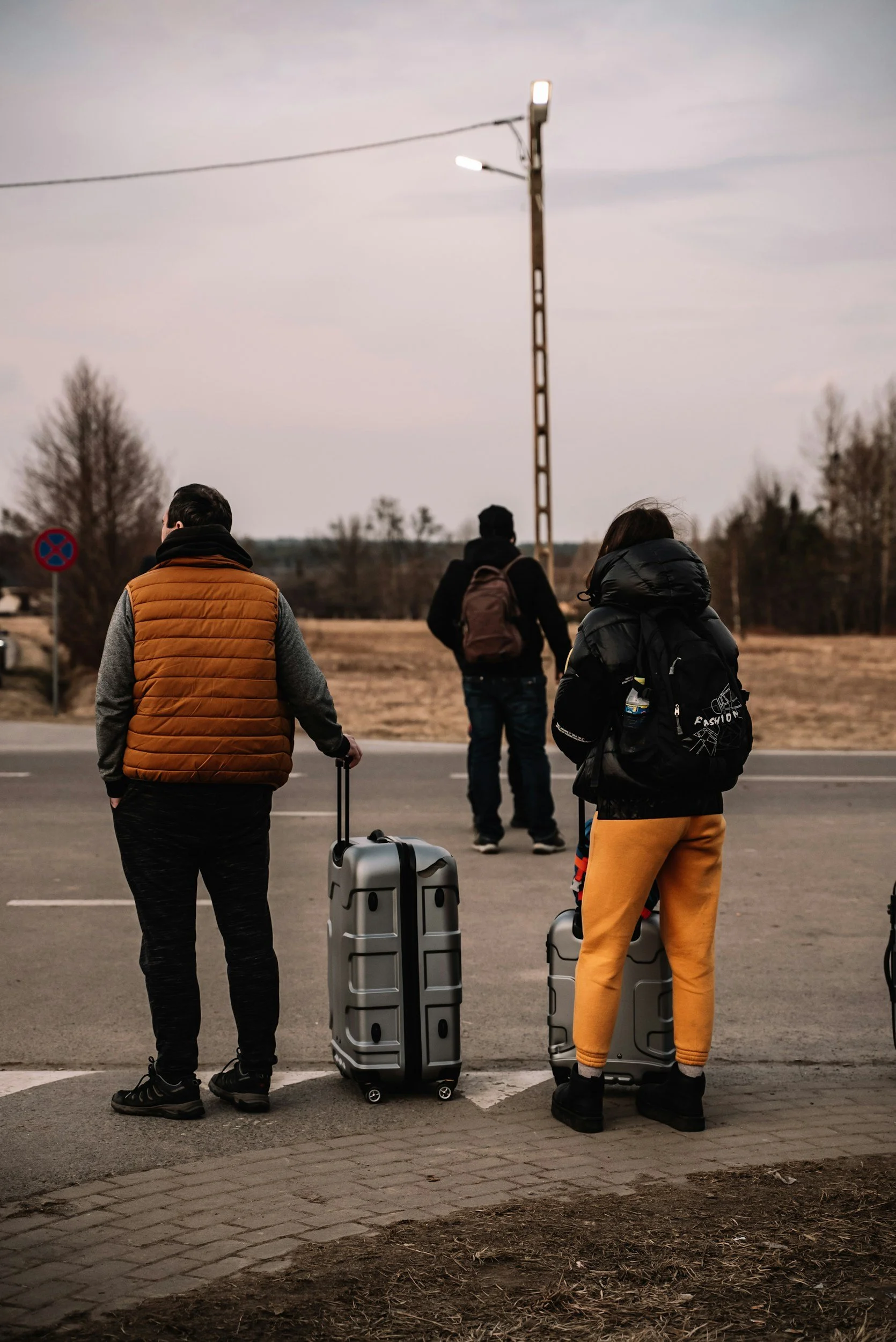
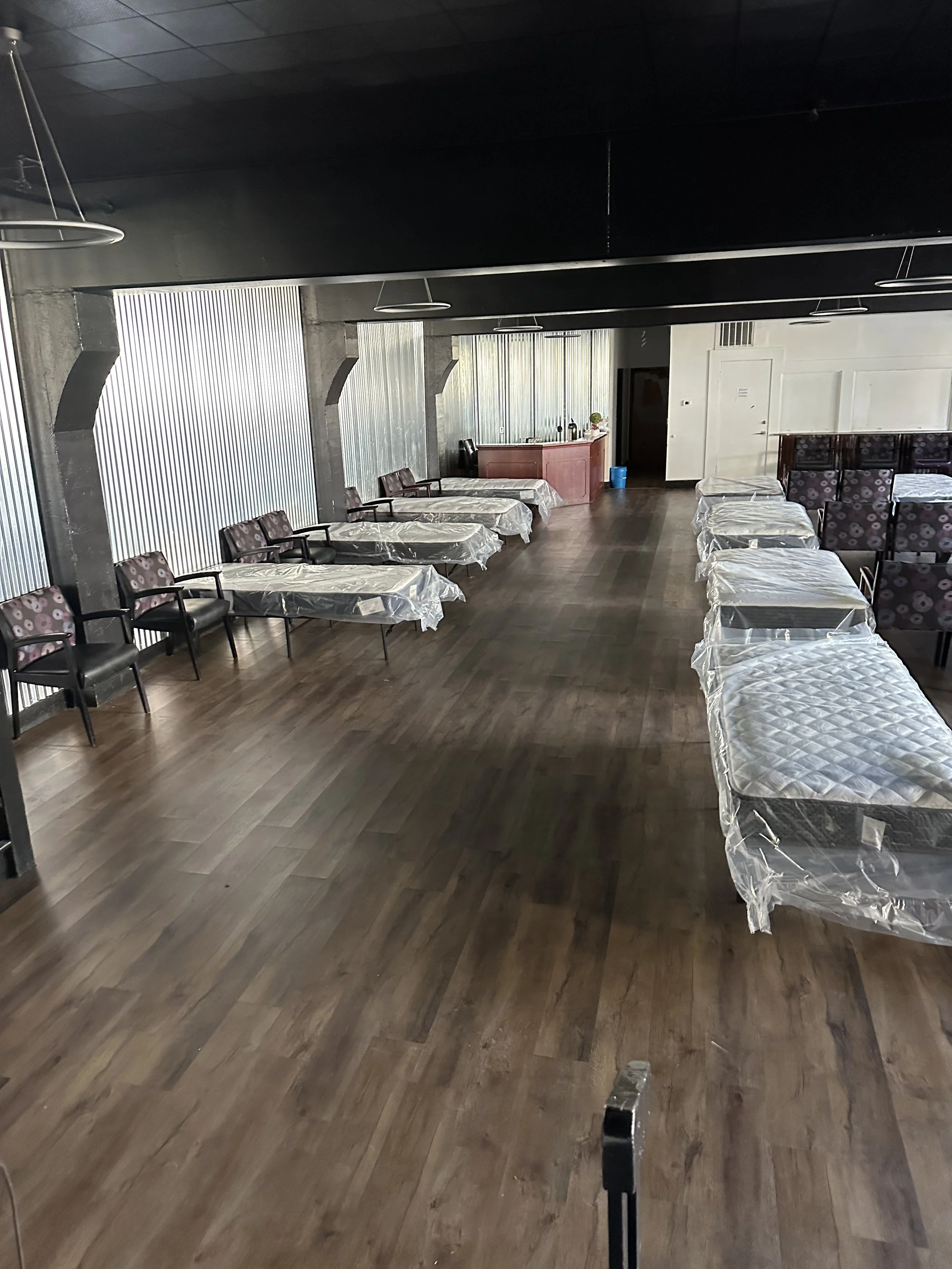
This page provides highlights from the Migrant Shelter at The Bridge United Methodist Church operated between August 2024 and December 2025, in response to the urgent need for short-term housing and stabilization services for newly arrived migrant individuals and families in the City of Tukwila.
The shelter was established as an emergency response initiative, designed to provide safe, dignified temporary housing while supporting guests in navigating critical systems such as employment, education, healthcare, legal services, and longer-term housing.
Over the course of its operation, the shelter served approximately 23 individuals representing diverse countries of origin - namely Angola, Venezuela, Democratic Republic of Congo, Mali and Ivory Coast - languages, and family compositions. Despite operating within a rapidly changing policy environment and under significant structural constraints including limited housing availability and resource uncertainty, the shelter achieved meaningful outcomes in stabilization, service coordination, and community integration. In addition to direct services, the program contributed to the development of some cross-sector partnerships and operational practices that may inform future emergency response efforts.
Program overview and context
The Bridge shelter was established in response to an increase in migrant arrivals to the city of Tukwila, specifically the Riverton Park United Methodist Church grounds, and the corresponding need for immediate, short-term housing solutions. Many guests arrived with limited financial resources, minimal familiarity with U.S. systems, and significant barriers related to language access, documentation, and employment eligibility. Furthermore, the conditions in Tukwila were those of a de facto refugee camp, which saw asylum seekers live in tents with very little sanitation during harsh winter months. The shelter was designed as a temporary stabilization point rather than a long-term housing solution, with an emphasis on safety, dignity, and connection to community-based resources.
The shelter operated with a maximum capacity of approximately 16 guests at any given time and served a mixed population of individuals and families. Core services included emergency shelter, meals, basic needs support, case management, language access support, and referrals to external service providers. The program relied on close coordination with city departments, nonprofit partners, volunteers, and community organizations to meet guest needs within a limited timeframe.

Service delivery and guest outcomes
Throughout its operation, the shelter provided emergency housing and stabilization services to approximately 23 guests. A significant proportion of guests were supported in accessing critical next steps, including:
Assistance in obtaining necessary documentation, such as IDs and Social Security numbers
Enrollment in English language classes
Assistance enrolling in public benefits, where eligible, such as Apple Health and EBT
Connection to legal service providers for immigration-related consultations, supported by the Riverton Park legal clinics

Beyond quantitative outcomes, the shelter functioned as a point of orientation and trust-building for guests navigating unfamiliar systems. Guests frequently arrived after extended travel, with limited information and high levels of stress. The provision of consistent, culturally responsive support played a critical role in stabilizing individuals and families during this transition period.
Systems Development and Operational Improvements
In addition to direct services, the shelter implemented several operational systems that improved service delivery and coordination, including:
An intake procedure and guest tracking process to ensure continuity of care
Case management workflows that prioritized urgent needs while supporting longer-term planning
Documentation and referral protocols to support coordination with external partners
These systems allowed staff and volunteers to respond more effectively to changing guest needs while maintaining accountability and data integrity.
Partnerships and Community Collaboration
The shelter’s success was heavily dependent on partnerships with local government entities, nonprofit organizations, legal service providers, educational institutions, and volunteers. These collaborations enabled the shelter to extend its impact beyond what could be provided on-site and strengthened the broader service ecosystem supporting migrant populations.
The City of Tukwila provided the necessary funds to address a growing concern about the migrant population in the city, Community Healthcare and its staff were pivotal in setting up the shelter guests with Health Insurance if they were eligible, and Tacoma Community House provided an affordable place to access English language classes to multiple guests. Additionally, the Riverton Park Legal Team and their legal clinics provided, not just the shelter guests but an extraordinary number of asylum seekers across the Puget Sound, with legal assistance for their asylum applications.
The shelter also served as a coordination point for information-sharing among partners, helping to reduce duplication of services and clarify pathways for guest support.
Challenges and Constraints
While the shelter achieved meaningful outcomes, its operation was shaped by several significant challenges:
Language Access and Cultural Mediation
Guests represented a wide range of languages and cultural backgrounds. While language access was prioritized, the demand for interpretation and culturally responsive communication frequently exceeded available resources. Addressing language access needs required ongoing adaptation and coordination.
Policy and System Uncertainty
The shelter operated within a rapidly evolving policy environment related to migration, work authorization timelines, and eligibility for services. Changes at the federal and state levels often required adjustments to shelter practices and guest guidance, sometimes with limited advance notice.
Employment Limitations
The most persistent constraint was the guest’ difficulty in securing stable employment. This limited guests’ ability to transition out of shelter quickly, increased average length of stay, and placed ongoing strain on shelter capacity. Despite active employment navigation efforts, options remained limited for many guests due to language barriers, lack of ways to verify abilities such as diplomas and/or certifications, and inability to validate educational requirements for specialized professions.
Interpersonal and Cultural Dynamics
Guests came from a wide range of cultural, national, and linguistic backgrounds, each bringing distinct norms, expectations, and lived experiences. At times, these differences led to interpersonal tensions and recurring conflicts within the shelter environment. Staff were required to regularly mediate disputes, provide cultural orientation, and reinforce shared expectations around communal living. While most conflicts were resolved through de-escalation and dialogue, this dynamic underscored the importance of ongoing staff training in cultural mediation, trauma-informed care, and conflict resolution.
Behavioral Incidents and Safety Management
Maintaining a safe and respectful environment for all guests and staff was a core operational priority. On three occasions, individual behavior escalated to a level that violated shelter rules and posed a risk to the well-being of others. After attempts at intervention and de-escalation, these incidents resulted in the removal of three individuals from the shelter. These decisions were not taken lightly and followed established protocols to balance accountability, safety, and dignity. The incidents highlighted the need for clear behavioral expectations, consistent enforcement, and access to alternative support options for individuals unable to remain in a congregate setting.
Lessons Learned and Best Practices

Several key lessons emerged from the shelter’s operation:
Flexibility is essential: Emergency response programs must be designed with the ability to adapt quickly to changing conditions, policies, and population needs.
Early stabilization services matter: Access to legal information, employment support, and language services early in a guest’s stay significantly improves outcomes.
Language access is foundational: Multilingual capacity should be embedded into program design rather than treated as a supplemental service.
Partnerships amplify impact: Strong relationships with community organizations and government partners are critical to addressing needs that extend beyond shelter walls.
These lessons may inform future city-led or city-supported emergency shelter initiatives.
Program Transition and Closure

As the shelter prepared for closure, efforts focused on ensuring continuity of care for remaining guests. This included completing referrals, transferring relevant documentation to partner organizations such as IRC, and supporting guests in identifying next steps aligned with their individual circumstances.
Of the guests that the shelter had, nine were moved to permanent and stable housing, two were moved to temporary shelter and one to emergency shelter, three were removed due to safety concerns or violation of shelter rules, a family of five was moved to alternative shelter and three moved out on their own accord but reported being in permanent housing.

Conclusion
The Bridge played a critical role in addressing an urgent community need during a period of heightened demand and uncertainty. Through a combination of direct services, coordinated partnerships, and adaptive problem-solving, the shelter supported hundreds of individuals and families during a pivotal transition period.
While challenges remain in addressing broader structural issues such as housing availability and system capacity, the shelter demonstrated the value of coordinated, compassionate, and pragmatic responses to complex humanitarian needs. The experiences and lessons captured in this report may serve as a foundation for future efforts to support vulnerable populations within Washington State.